Traveling in Thailand With Kids: How to Plan the Heat, Cities, and Beaches
Practical advice for visiting Thailand with kids, including pacing, weather, transfers, hotels, beaches, food, temples, and family comfort.
By JeremyJeremy and Jason run Splash of Color Travel together.
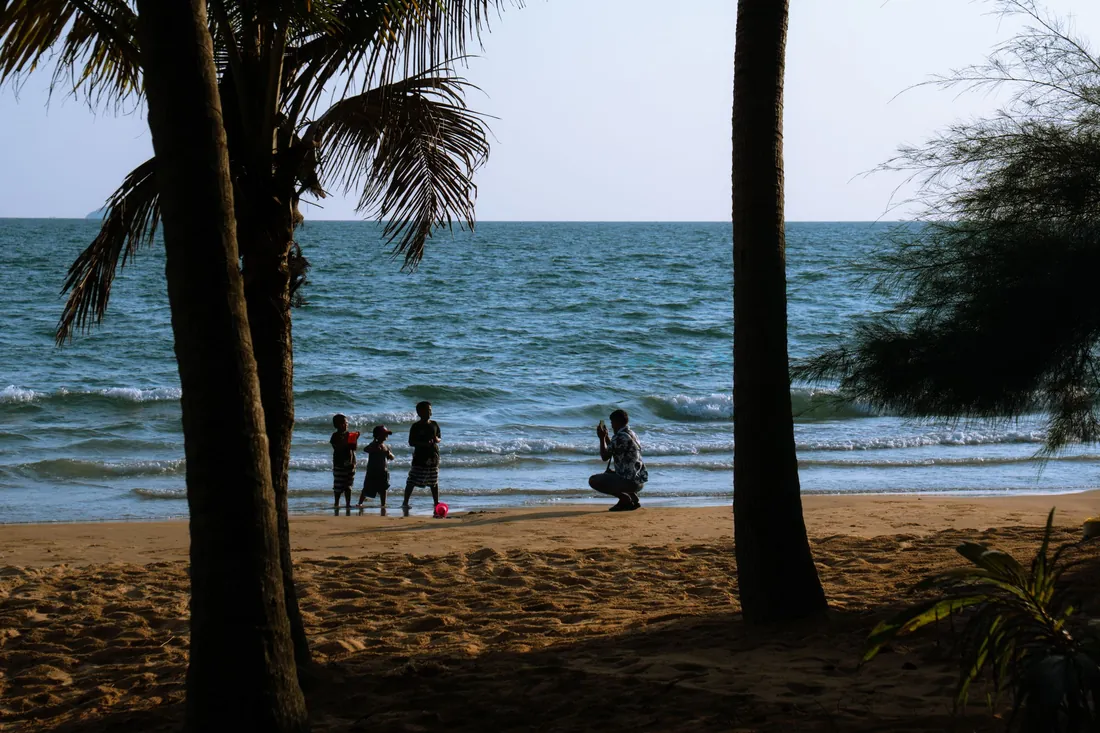
Thailand gives families an unusual amount of choice. You can eat breakfast beside a Bangkok canal, spend the afternoon in a cool hotel pool, fly north for markets and mountain scenery, then finish with several days by the sea. The country is welcoming, the food is easy to explore, and a comfortable room often buys more than families expect.
The mistake is trying to have every version of Thailand in one short trip. Bangkok, Chiang Mai, and an island look tidy on a map. Each change still costs most of a day once you include checkout, traffic, the airport, the flight, bags, and the ride to the next hotel.
The best Thailand family trips make three decisions early: how many regions the trip can honestly hold, which coast fits the month, and where private transportation will protect the family's energy.
Choose the trip shape before the hotels
For a first trip, think of Thailand in three broad parts:
- Bangkok for temples, neighborhoods, food, shopping, and the energy of the city
- Northern Thailand for Chiang Mai, markets, crafts, food, and slower mountain days
- The coast for resort time, boat outings, and a lighter schedule
Ten days is enough for two of those parts. Twelve to fourteen days can hold all three if the family handles flights well and you give each stop enough nights to settle in. With younger children, grandparents, or anyone who needs a slower pace, Bangkok plus the beach is often the better trip.
A comfortable two-week outline might be four nights in Bangkok, four nights in Chiang Mai, and five nights at the coast. The exact order depends on flight schedules, weather, and where you want to recover from jet lag. What matters is that each move earns its place.
If the beach is the main event, do not cut it to two nights after spending half a day getting there. If the north matters, give Chiang Mai enough time that it does not become one temple, one market, and another airport.
Let the month choose the coast
Thailand does not have one beach forecast. Phuket and Krabi face the Andaman Sea. Koh Samui sits in the Gulf of Thailand. Their wettest periods do not line up neatly.
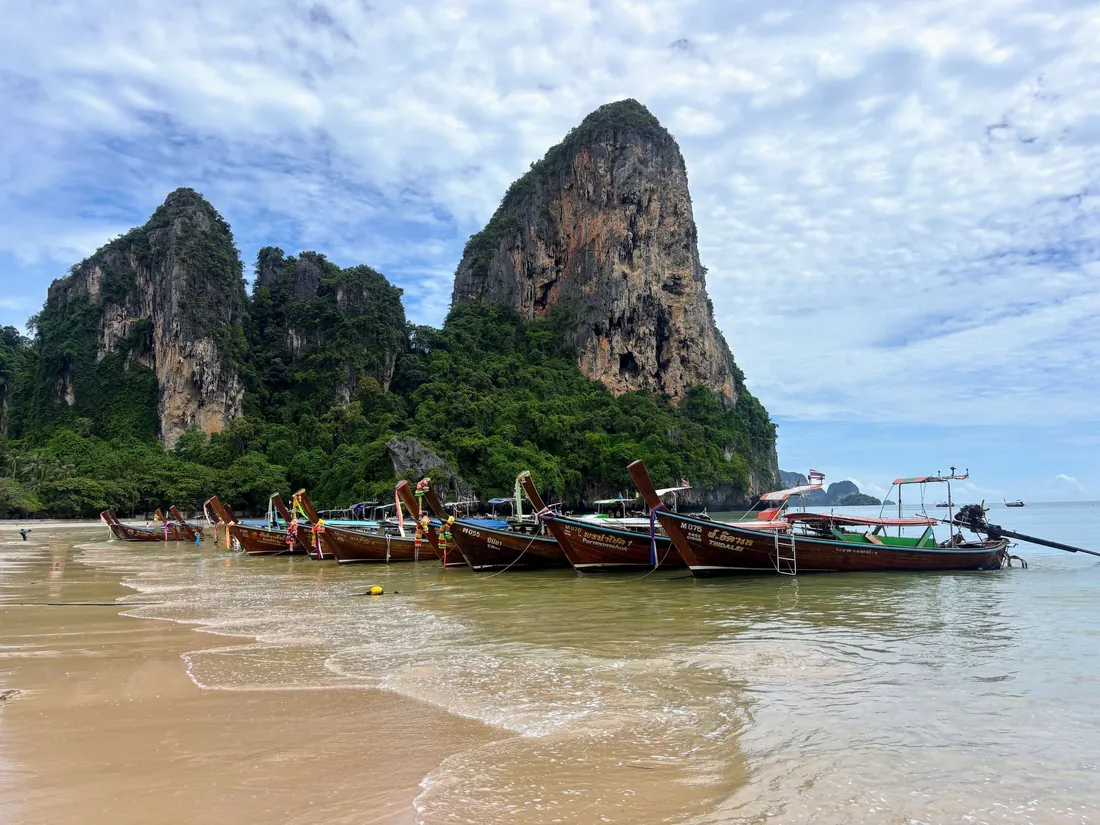
That matters more to a family than a list of the country's prettiest beaches. Rough seas can cancel or change boat plans. Heavy rain can make a remote resort feel far more isolated. A beach that looks perfect in a hotel gallery may not be the right swimming beach during your dates.
Start with the month, then compare the coasts. Once you have the region, check the actual beach and the transfer required to reach it.
Our family beach guide to Thailand, Vietnam, and Japan compares Hua Hin, Krabi, and Koh Samui in more detail. The short version is:
- Hua Hin is the easiest beach break to pair with Bangkok
- Krabi gives you limestone scenery and active boat days
- Koh Samui supports a full resort week with many hotel and restaurant choices
No weather pattern is a promise. Check current forecasts, marine warnings, beach flags, and local advice close to the trip.
Plan around the heat before anyone is tired
Thailand's heat changes how much a family can comfortably do. A route that looks light on paper can feel very different at 2 p.m. in Bangkok.
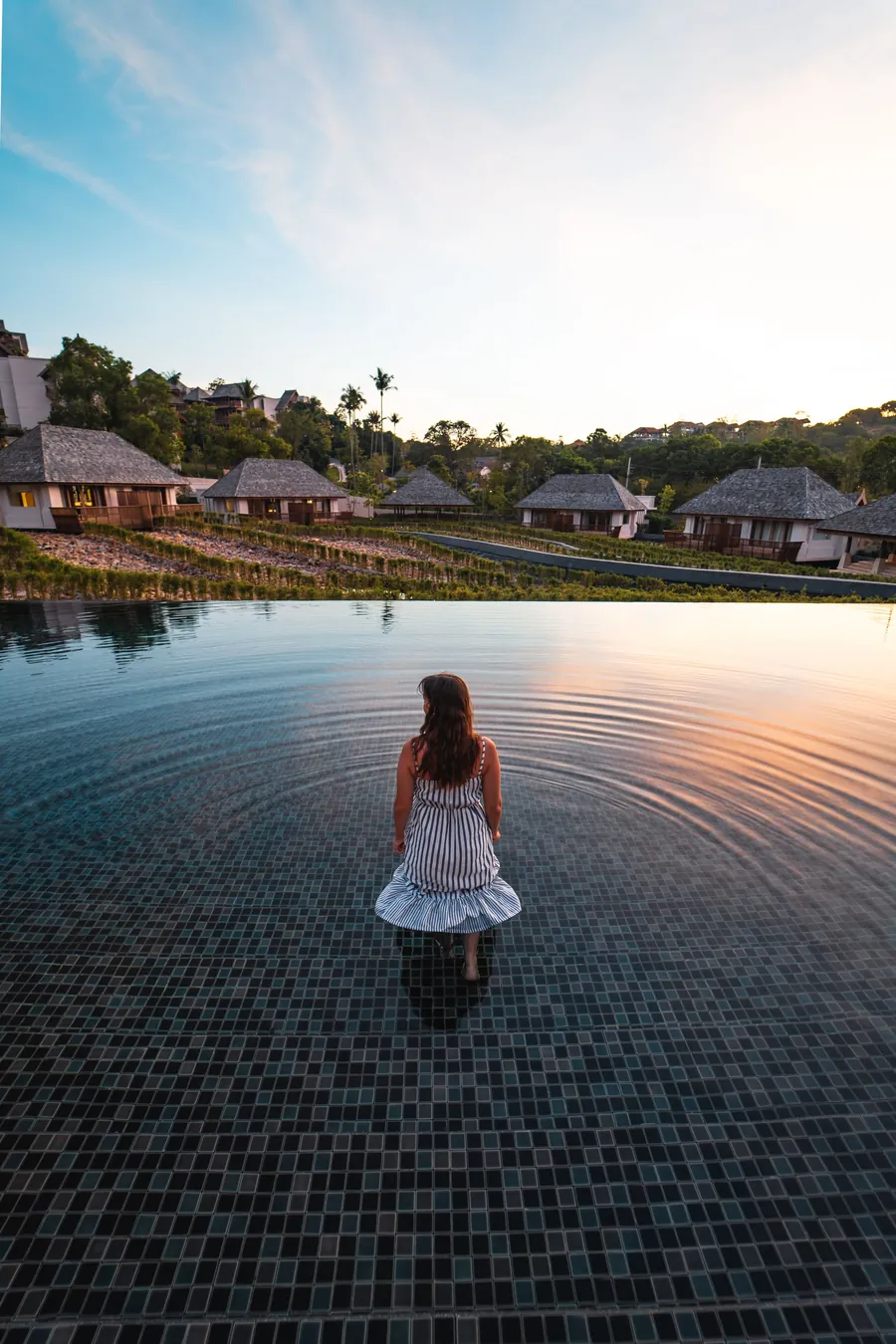
Put outdoor temples, markets, and neighborhood walks early in the day. Use the hottest part of the afternoon for lunch, the hotel pool, a massage for the adults, a museum, or a real rest. Go out again when the temperature drops.
This is not lost time. It is the rhythm that makes an evening market or dinner enjoyable instead of becoming the last obligation of a long day.
Choose one morning anchor and one evening anchor. Let the afternoon flex. If everyone still has energy, you have options. If not, the plan already works.
Water, hats, light clothing, and sunscreen belong in the daily routine. So does air conditioning. A hotel close to where you plan to spend the day is worth more than a slightly better room that adds an hour in traffic.
Heavy rain is not the problem families expect. It rarely lasts all day. A hard two or three hour burst usually passes and leaves the air noticeably cooler, which can turn into the most comfortable part of the afternoon. Carry an umbrella, or call a Grab when it starts, and wait it out over a long lunch or a coffee. Do not cancel the rest of the day the moment the sky opens.
Treat transfer days as real days
A one-hour domestic flight is not a one-hour move. Families still need to leave the hotel, reach the airport, check bags, fly, collect everything, and drive to the next property.
Do not schedule an important dinner or nonrefundable activity immediately after a domestic flight. Do not plan a boat excursion on the same afternoon you arrive at an island. Let the transfer be the day's main event, then add one easy meal or swim if the timing works.
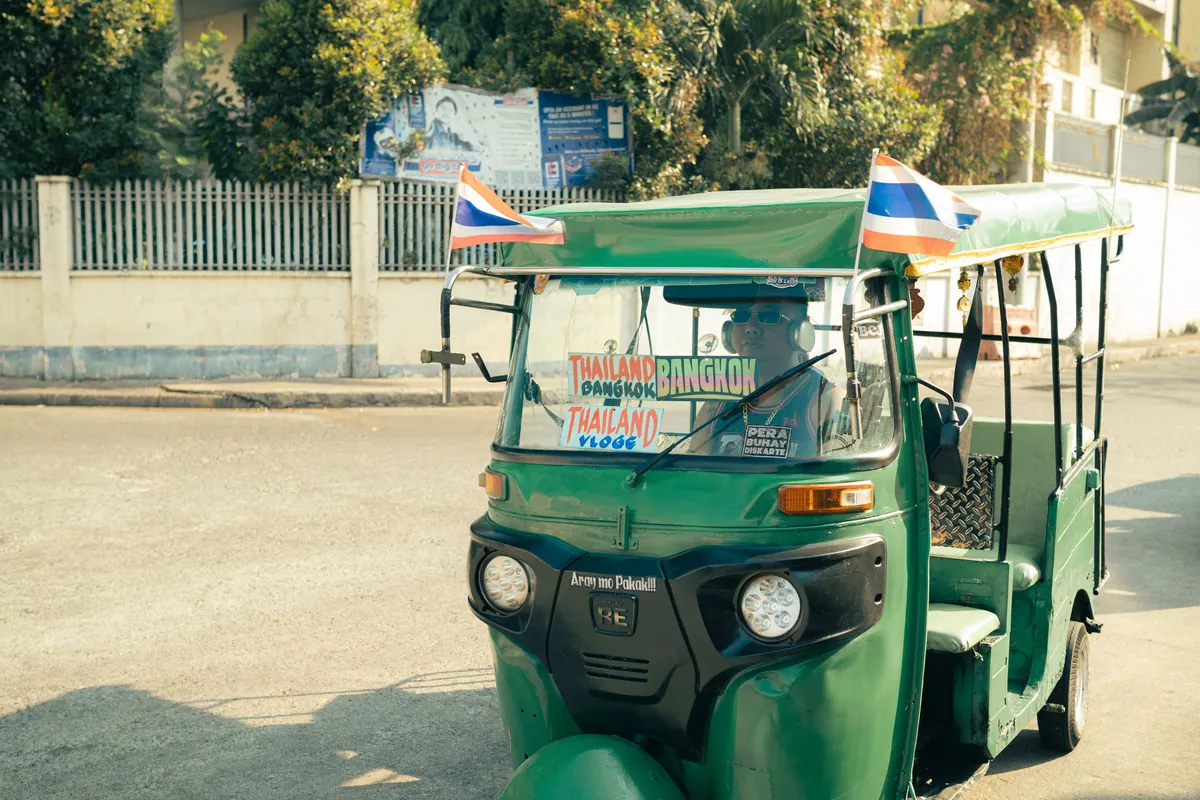
Private cars and transfers are what we recommend most for families and couples in Thailand. The price is genuinely affordable compared with what the same service costs at home, and the ride is far more comfortable than the alternative: no negotiating a fare, no squeezing bags around knees, air conditioning the whole way, and a driver who waits while everyone gets organized. For a family it is usually the single easiest upgrade to a travel day.
Confirm the vehicle size when you book. Four passengers plus four large suitcases may not fit in a standard sedan.
If a child needs a car seat or booster, request it before booking and confirm it again before arrival. Do not assume every taxi or transfer company carries the right size.
Use Bangkok in small pieces
Bangkok is exciting for children because so much is happening at once. That is also why it can wear them out quickly.
Build each day around one part of the city:
- The Grand Palace and Wat Pho, followed by a slow lunch or hotel break
- A canal or river outing paired with one riverside stop
- Siam for shopping centers, indoor attractions, and easy meals
- Chatuchak when the weekend market matters, with a short list and a clear stopping time
- Chinatown for an evening food walk once the heat drops
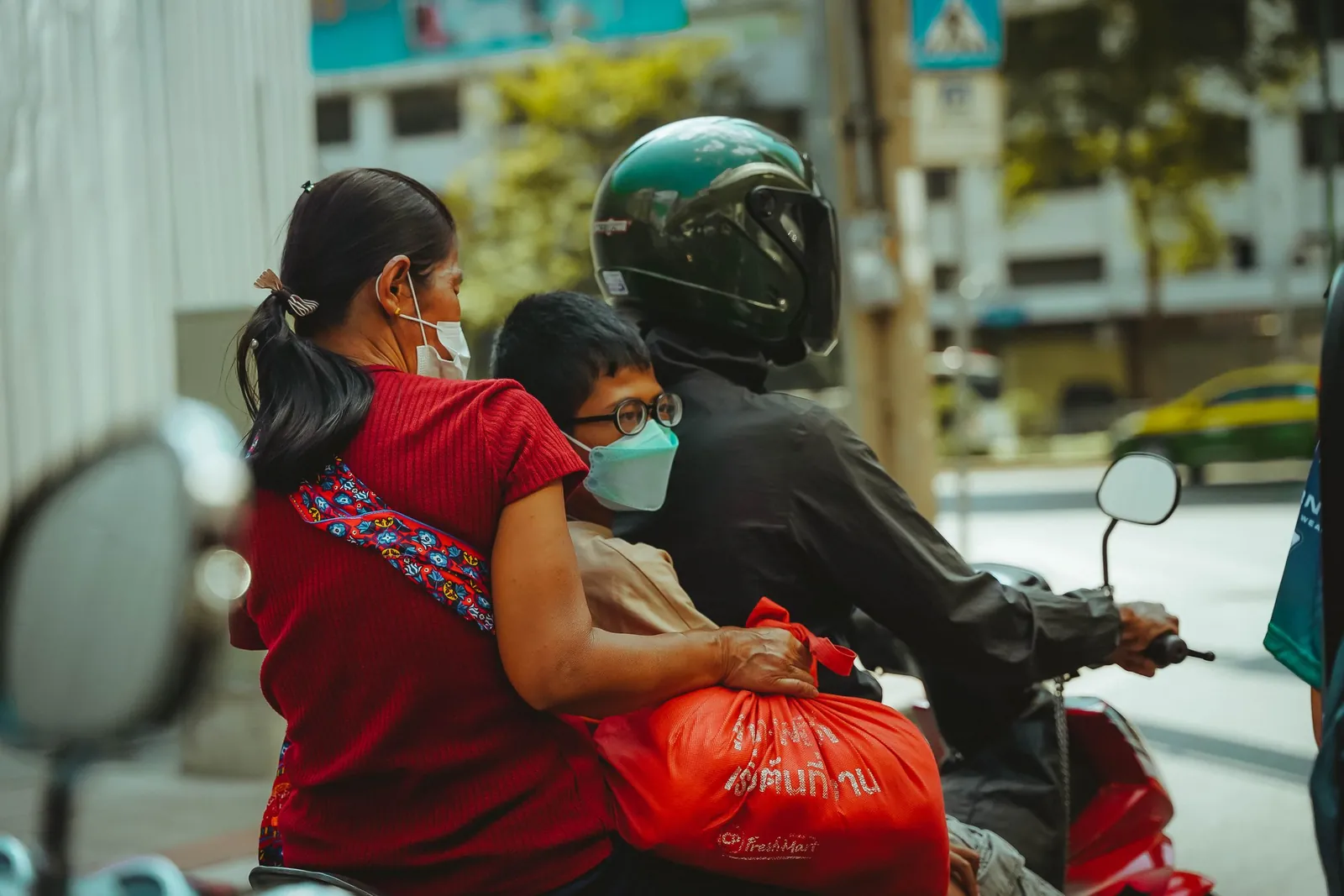
The BTS Skytrain and MRT subway avoid road traffic, but stations still involve stairs, escalators, crowds, and walks between the platform and the actual destination. A compact stroller helps. A taxi or private car is often the better choice when a child is asleep, the weather turns, or the station walk is longer than the ride.
Bangkok traffic is not a reason to avoid the city. It is a reason to group the day well. Crossing town for one restaurant is rarely worth it with children. Eat near where you already are.
Give the north enough time to slow down
Chiang Mai works well for families who want a calmer city, hands-on activities, northern food, and day trips outside the center. It is not simply a smaller Bangkok.

Four nights gives you room for the old city, a market, one activity such as a cooking or craft class, and one day outside town. With less time, skip the long regional loop and stay based in Chiang Mai.
Private drivers are useful beyond the city. They remove the pressure to navigate mountain roads, let the family stop when someone needs a break, and make it possible to return early without disrupting a group tour.
We know the mountain roads west and north of Chiang Mai from riding the Mae Hong Son Loop ourselves. That experience makes us more conservative, not less. Most families should enjoy those roads with an experienced local driver. A motorbike is not the family shortcut.
Air quality in northern Thailand can be poor during the agricultural burning period, often from late winter into spring. The exact timing and severity change each year. Families with asthma or other respiratory concerns should check current air-quality data before committing to the north during that window.
Choose animal experiences carefully
Elephants are often near the top of a child's Thailand list. The word "sanctuary" by itself does not prove that a place protects animal welfare.

Look closely at how the animals live and what visitors are asked to do. Observation, learning, and giving elephants space should be the center of the experience. Performances, riding, forced posing, and constant close contact are warning signs.
Ask how many visitors attend, whether transportation is included, how long the day lasts, and what happens in heavy rain. A program can have good intentions and still be too long or physically demanding for a young child.
This is one experience worth researching carefully instead of choosing from a hotel flyer the night before.
Make temples meaningful and short
Children do not need to see every major temple. Choose one or two that give the family different experiences, then explain what they are looking at before entering.
Dress for the strictest place on the list and you will not be turned away anywhere. Long pants, and at least short sleeves, is the rule to pack for. Shoulders stay covered. This applies to adults and children at the major temples, and it matters more than the heat makes it feel like it should. Shoes come off in some temple buildings, so pack socks if hot floors or bare feet will bother anyone. A light long-sleeve layer or a scarf in the day bag saves the visit when a site turns out to be stricter than expected.
Teach children not to climb on religious structures, point their feet toward Buddha images, or interrupt people who are praying. Keep voices low inside. Photography rules can change from one area to another, so follow the signs.
A short temple visit followed by a snack, boat ride, or market gives the day contrast. Three long temple visits in a row usually make each one less memorable.
Pick a beach base that works without a boat
Boat days can be a highlight. They should not be the only reason the beach stop works.
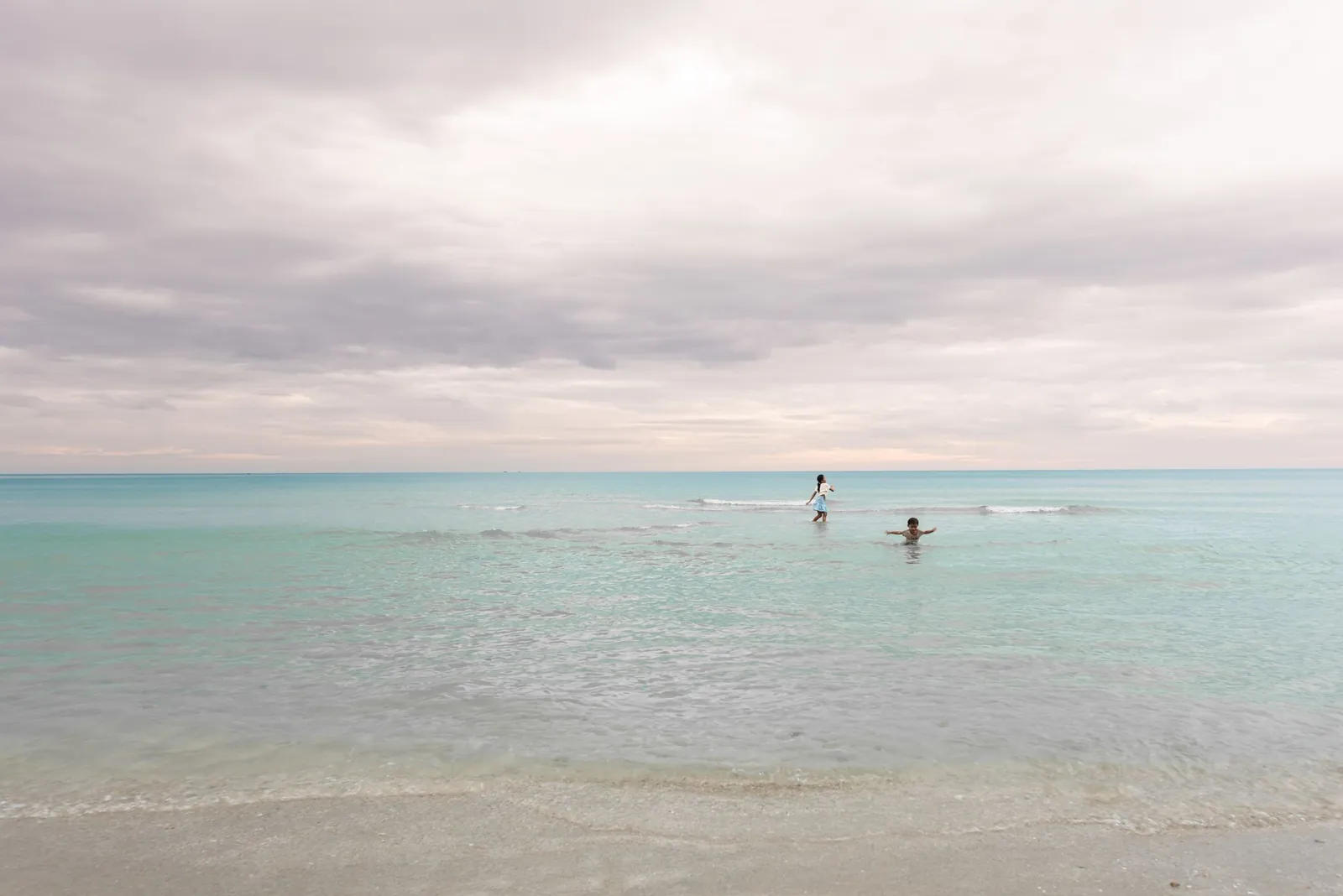
Choose a hotel with a pool, food the family will eat, and a beach or neighborhood that still gives you a good day when the sea is rough. Ask how boat tours handle child-size life jackets, weather cancellations, shade, bathrooms, and motion sickness.
For younger children, a private or small-group boat may be worth the cost because you control the pace. It does not remove the need to follow marine warnings or the captain's safety decision.
Location changes the trip:
- Ao Nang is easier for restaurants and flexible day trips than a boat-access stay in Railay
- Koh Samui's beach areas differ in noise, walkability, and swimming conditions
- Hua Hin trades island scenery for an easier road or rail connection from Bangkok
Do not book the island name. Book the actual beach, room, and transfer.
Check the room layout and the grounds
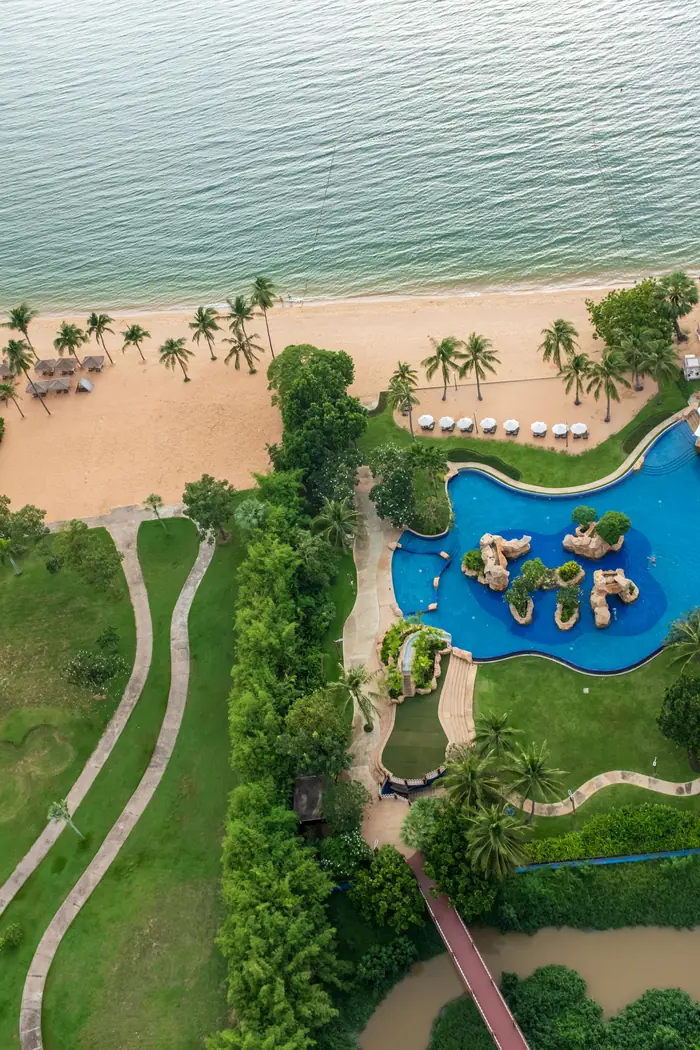
Thailand has excellent resorts, villas, and larger rooms for families. The word "family" in a room name still does not tell you who sleeps where.
Before booking, confirm:
- The legal occupancy and the children's ages on the reservation
- The exact beds, including any sofa bed or rollaway
- Whether connecting rooms are guaranteed
- Whether a villa's pool has a barrier or can be secured from inside
- How many stairs sit between the room, breakfast, and the beach
- Whether the hotel runs a buggy and how late it operates
- The children's breakfast price and kids' club age rules
A hillside villa may have the best view and the worst daily setup for a stroller or grandparent. A beachfront room may still sit far from the main pool and restaurants. Ask for a property map when the layout matters.
For multigenerational families, book private transportation for the pieces that fail when the least mobile person is uncomfortable. Keep markets, pool time, and optional mornings flexible so the group does not have to move as one unit all day.
Let children enter Thai food gradually
Thai food gives families plenty of easy starting points. Children can begin with familiar ingredients, then try sauces and spice levels at their own pace.
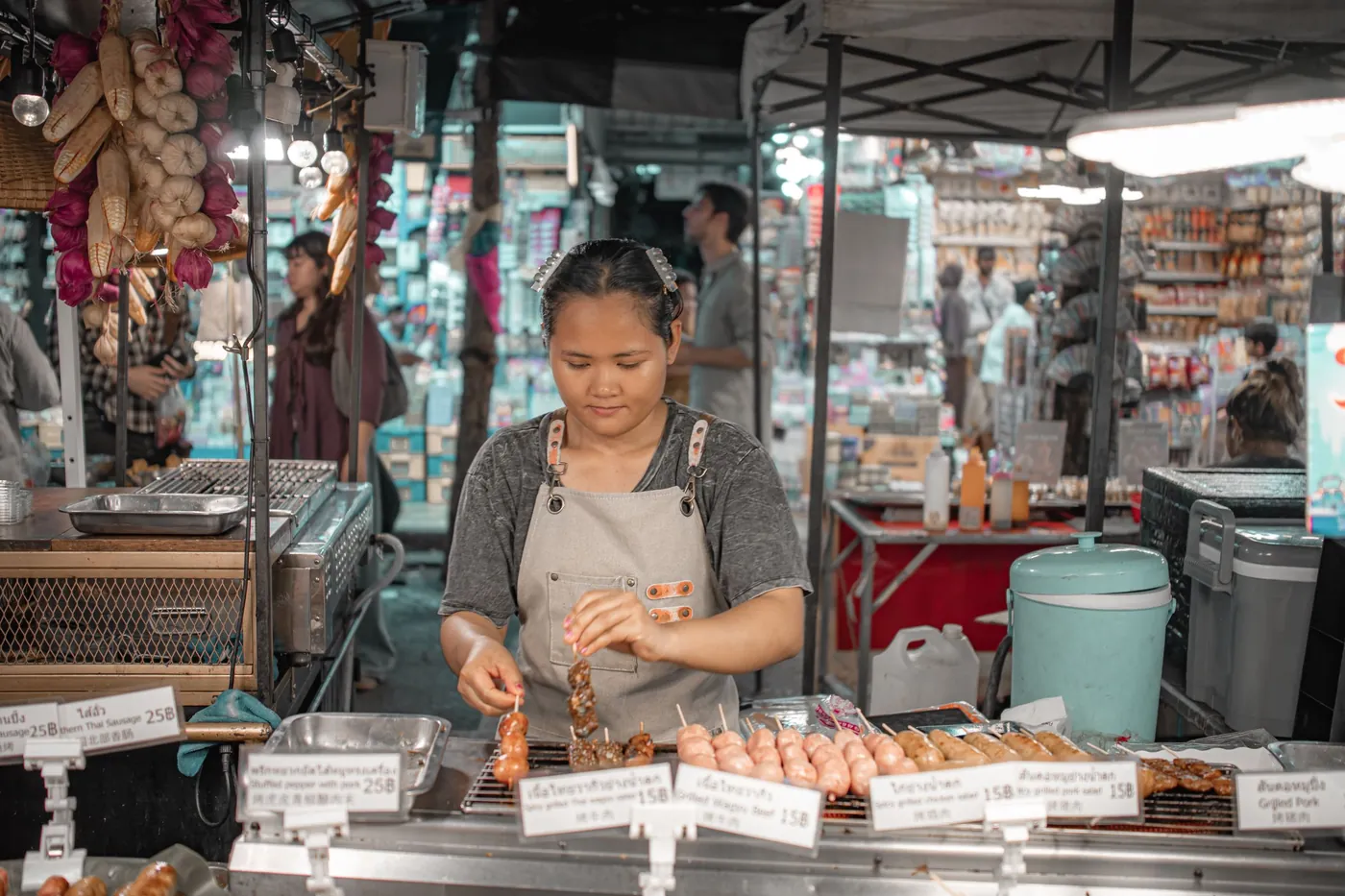
Useful first dishes include:
- Khao pad, Thai fried rice
- Pad see ew, wide noodles with a sweeter soy-based sauce
- Gai yang, grilled chicken
- Moo ping, grilled pork skewers
- Kai jeow, a crisp Thai omelet served with rice
- Plain rice, fruit, and simply grilled meat or seafood
- Mango sticky rice for a shared dessert
"Not spicy" does not always mean no chili. Ask clearly, especially for young children. It helps to learn mai phet, which means not spicy, but the kitchen still needs to understand that the request is for a child.
Night markets are good for sharing. Buy one portion, let everyone taste it, then go back for what worked. Choose busy vendors cooking food to order, and follow your own comfort level with food handling.
Do not plan every dinner as an ambitious restaurant. A hotel meal, mall food court, or simple neighborhood place can be exactly right after a hot day.
Prepare carefully for food allergies
Thai dishes can contain fish sauce, oyster sauce, shrimp paste, peanuts, soy, wheat, coconut, egg, and other ingredients that are not obvious from the menu name. Removing the visible garnish does not remove an ingredient already used in a curry paste or sauce.
Carry an allergy card written in Thai. Name the exact allergen and explain whether cross-contact can cause a severe reaction. Show it before ordering.
Small kitchens may not be able to separate pans, oil, or preparation surfaces. A polite refusal is useful information. Keep safe snacks with you, and choose at least part of the stay at a hotel or apartment where breakfast and simple backup meals can be arranged with more control.
Pack for sun, rain, and strong air conditioning
Light, quick-drying clothes work well for most of the country. Add one layer for cold planes, shopping centers, and hotel rooms. Bring shoes that are comfortable for uneven sidewalks and easy to remove.
For babies and toddlers, pack enough of any specific formula, bottle part, medication, or diaper style that cannot be easily substituted. Bangkok has enormous shopping centers and pharmacies, but the brand or fit your child accepts may not be available.
Keep a small daily kit with water, sunscreen, mosquito repellent, tissues, hand sanitizer, a change of clothes, and oral rehydration packets. During the rainy season, a compact umbrella or light rain layer is useful. A downpour often passes. The rest of the day does not need to be canceled automatically.
Handle health and medication before departure
Ask your clinician or travel clinic about current recommendations for the exact regions and activities on your itinerary. Mosquito protection matters in cities as well as rural areas. Travel insurance should cover the family's activities and any medical care or evacuation you would want available.
Thailand regulates some medications containing narcotic or psychotropic substances. The rules depend on the ingredient, category, amount, and length of stay. Check every prescription with the Thai Food and Drug Administration well before departure. Carry medication in its original packaging with the prescription or physician's letter when required.
Save emergency contacts in both adults' phones. Thailand's medical emergency number is 1669. Tourist Police can be reached at 1155. Keep the hotel's address in Thai available for a driver or emergency responder.
The easier Thailand trip usually feels richer
Children may remember feeding fish beside a canal, choosing fruit at a market, riding in a tuk-tuk once, or ordering their own mango sticky rice. Those small moments need time to happen.
The goal is not to remove Bangkok's energy, the north's culture, or the coast's adventure. It is to give each one enough space. Fewer transfers, cooler afternoons, the right hotel grounds, and a private driver on the difficult days let the family experience more of Thailand without turning the trip into a test of stamina.
FAQ
Is Thailand a good destination for children?
Yes. Thailand offers welcoming hotels, excellent food, easy domestic flights, family activities, and beach resorts across a wide price range. The main planning challenges are heat, traffic, transfer time, and choosing the right coast for the month.
How many days does a family need in Thailand?
Ten days works well for Bangkok plus either northern Thailand or the beach. Twelve to fourteen days can hold Bangkok, Chiang Mai, and a beach stop if the family is comfortable with two domestic travel days. With younger children or grandparents, two bases may still be better.
Which Thailand beach is best for families?
Hua Hin is the simplest pairing with Bangkok. Krabi works well for scenery and boat outings. Koh Samui supports a longer resort stay with many hotel and dining choices. The right answer depends on the month, the children's ages, the actual beach, and how much transfer time the family will tolerate.
Thailand with kids feels easy when the hard parts are decided before you land. Book a free call and tell us your dates, your children's ages, and which parts of Thailand matter most. We will help you shape a trip with comfortable rooms, realistic days, and no wasted transfers.
Planning Thailand for your group or family?
Tell us who's coming and roughly when. On a free 30-minute call we talk through the route, the pace, and where to stay, and your first itinerary draft arrives within 5 business days. Founding clients: no planning fee for our first 10 clients, in exchange for honest feedback after your trip. Our guarantee: if the first itinerary draft doesn't fit your family, two rounds of revisions are included to get it right. If it still isn't right, you can walk away at no cost.
Book a free planning callNot ready for a call? Get the free guide.
Get our free northern Thailand luxury guide: our favorite stays up north, the call-outs worth booking, and how we'd pace a comfortable trip. Plus our newsletter every couple weeks: the stays and activities we'd book for you.