Where to Go for a Family Beach Trip in Thailand, Vietnam, and Japan
Compare nine family beach towns in Thailand, Vietnam, and Japan, including the best fit, easiest logistics, and tradeoffs of each.
By JeremyJeremy and Jason run Splash of Color Travel together.

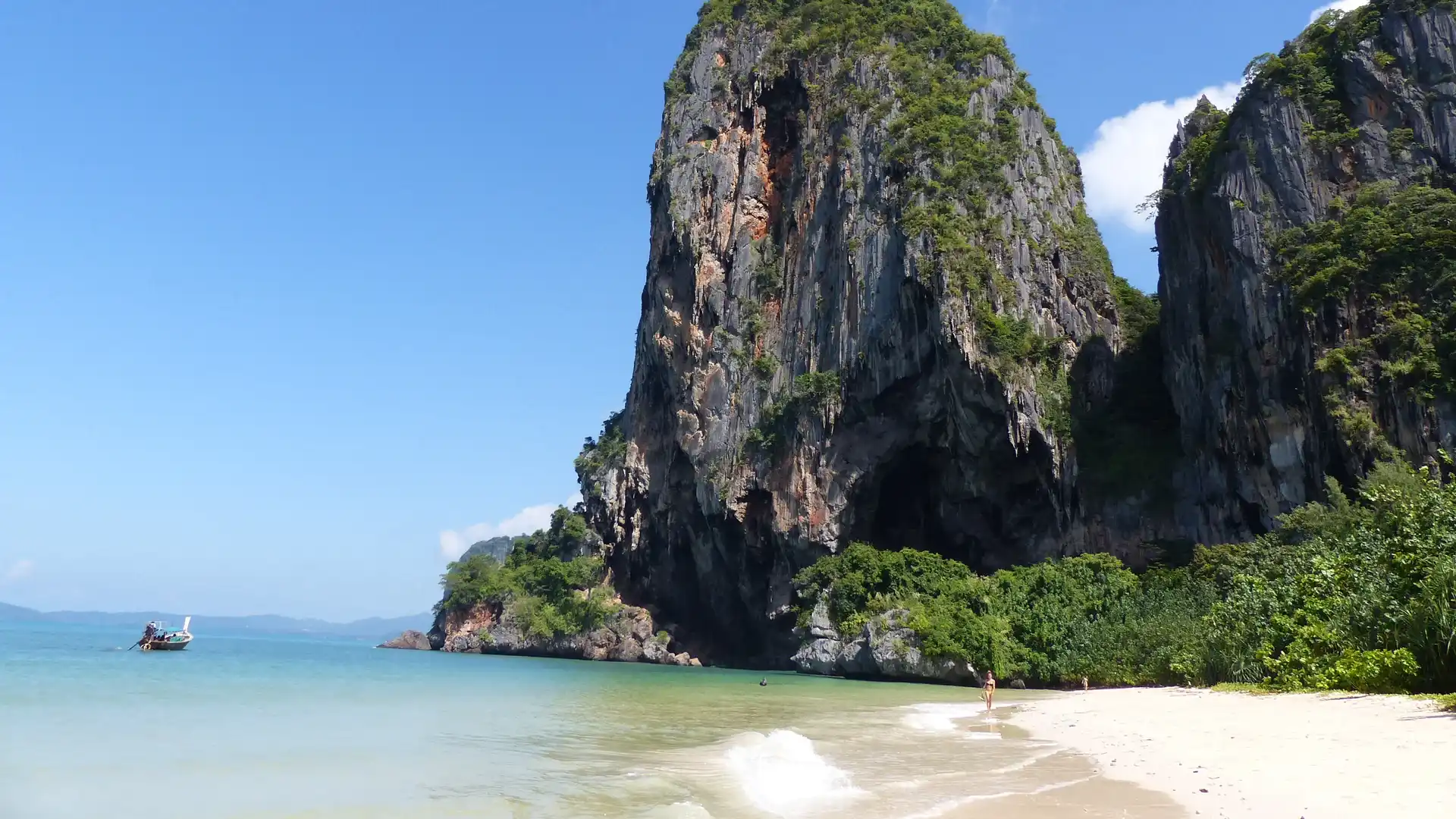
The right beach town gives your family more than sand. It gives you an easy base, enough to do away from the water, and a plan that still works when someone needs a slower afternoon.
Thailand, Vietnam, and Japan all have excellent beach towns, but they solve different problems. Thailand is strongest for full resort days and dramatic island scenery. Vietnam makes it easy to pair the beach with food and historic towns. Japan can add a coast break to a city trip, or become a tropical island stay of its own.
These are the nine places we would start with.
A quick safety note: Beach conditions change with the season, tides, storms, and local rules. Check current swimming areas, lifeguard coverage, and boat conditions before anyone gets in the water.
Pick the trip shape before the town
No single town wins for every family. Start with the part you want to make easy.
- The simplest city and beach combination: Start with Da Nang, Hua Hin, or Kamakura. The beach may feel less private than an island resort.
- A resort stay with most days near the water: Start with Koh Samui, Phu Quoc, or Ishigaki. Flights, transfers, and getting around need more attention.
- Culture and food between beach days: Start with Hoi An, Kamakura, or Shirahama. The best sights and the best swimming may not be in the same season.
- Big scenery and active days: Start with Krabi or Ishigaki. Boats, tides, or a rental car become part of the plan.
- A comfortable multigenerational base: Start with Hua Hin, Da Nang, or Koh Samui. You still need the right neighborhood and room setup.
That last point matters. A destination can be family friendly while the wrong part of it is inconvenient for your family. The best area for nightlife is rarely the best one for early bedtimes. A hillside room with an ocean view may still mean stairs. A resort can sit beside a beautiful beach that is not suitable for swimming that week.
Thailand
Thailand is the easiest country here for a resort first beach trip. It also has the biggest weather trap. Krabi faces the Andaman Sea, while Koh Samui sits in the Gulf of Thailand. Their wettest periods do not line up neatly, so the month should help choose the coast before anyone falls in love with a hotel.
Hua Hin
Best for: A low stress beach break after Bangkok.
Hua Hin is the practical Thailand choice. You can reach it from Bangkok by road or rail, then stay in one place without adding a flight or ferry. The Tourism Authority of Thailand highlights the long beach, seafood restaurants, night market, water activities, temples, and inland day trips.
That mix works well for a family with different energy levels. Some people can stay by the pool while others visit the market or head out for the afternoon. Full service resorts and spa hotels also make it easier to plan comfortable rooms for grandparents, young children, or a larger group.
The tradeoff is the scenery. Hua Hin does not give you Krabi's limestone cliffs or the island feel of Samui. Pick it when the easy Bangkok pairing matters more than the postcard island view.
Krabi
Best for: Limestone scenery, boat days, and older kids who want to be active.
Krabi is the scenery first choice. Ao Nang is the practical base, with restaurants, hotels, and boat departures close together. Railay gives you the sharper version of Krabi, with cliffs rising behind the sand and boat access instead of a normal road transfer.
The Tourism Authority of Thailand's Krabi guide points families toward beaches, islands, sea caves, coral reefs, hot springs, and national parks. That range is useful when nobody wants five identical pool days.
The main decision is where to sleep. Ao Nang is easier for meals and flexible day trips. Railay is more dramatic, but every arrival, departure, and weather change matters more when a boat is involved. For younger children or anyone with limited mobility, we would keep the transfer burden visible instead of treating it as a footnote.
Koh Samui
Best for: A resort led island stay with plenty of backup options.
Koh Samui has enough restaurants, activities, and hotel styles to support a full family week. It also has distinct beach areas. Chaweng is lively. Bo Phut has restaurants and old shop houses. Quieter beaches and resort pockets suit families who want most days to stay close to the room and pool.
The Tourism Authority of Thailand's Samui guide lists beaches including Chaweng, Lamai, Taling Ngam, and Natien, along with cooking classes, diving, golf, and trips to Ang Thong National Marine Park.
That variety is Samui's strength, but it also makes the hotel location unusually important. Do not book “Koh Samui” as if the whole island feels the same. Check the actual beach, road transfer, nearby food, room layout, and whether you can walk anywhere comfortably.
Vietnam
Vietnam is strongest when your family wants beach time without giving up food, culture, and a real town. Da Nang and Hoi An can even share one trip. Phu Quoc is the separate island finish when the resort is the point.
Da Nang
Best for: The easiest all around family beach base in Vietnam.
Da Nang puts a broad city beach, an international airport, restaurants, and day trips in one place. My Khe Beach runs along the city, while Marble Mountains, the Son Tra Peninsula, Hoi An, and the Hai Van Pass can fill the non beach days.
The official Vietnam Tourism guide to Da Nang notes the city's resort options, street food, easy taxis and ride hailing, and direct access to the rest of Central Vietnam. That makes Da Nang especially useful for a multigenerational group. One person can rest without forcing the whole family to cancel the day.
The tradeoff is that Da Nang feels like a real city because it is one. Families wanting a small historic center or a quiet island should look at Hoi An or Phu Quoc instead. Families wanting the least fragile logistics should start here.
Hoi An
Best for: History, food, and a beach afternoon in the same stay.
Hoi An is not just a beach town. That is exactly why it works. The Ancient Town gives you lantern lit evenings, historic shop houses, restaurants, and short walks. An Bang Beach adds sand and seafood about a 10 minute drive away, according to Vietnam Tourism's Hoi An guide.
You can also cycle through the countryside, take a cooking class, or visit nearby craft and farming communities. It is a better choice than a pure resort island when your family gets restless after one full beach day.
The practical choice is whether to stay near the Ancient Town or closer to An Bang. The first makes evenings and food easier. The second makes the beach easier. Splitting the difference usually means taking a car in both directions, so decide which part of the day your family values most.
Phu Quoc
Best for: A resort finish after Ho Chi Minh City or the Mekong Delta.
Phu Quoc is Vietnam's proper island option. Long Beach gives families a long sunset facing coast, while the north and east of the island feel quieter and more spread out. Resorts, water activities, forests, fishing villages, and local pepper and fish sauce producers give you more than one kind of day.
The official Phu Quoc guide describes a 150 kilometer coastline, gentle waves, water sports, forest walks, and a dry season that generally runs from October through March. Vietnam Tourism also calls out the island's family resorts in its family beach itinerary.
Phu Quoc is less useful as a quick add on than Da Nang. A flight and road transfer take a real part of the day. It works best when you give the island enough nights to settle in and choose the area on purpose. Long Beach, the quieter north, and the resort zones are different trips.
Japan
Japan's beach options divide into two groups. Kamakura and Shirahama fit naturally into a mainland itinerary, but swimming and beach services are sharply seasonal. Ishigaki is the tropical trip, with coral water and enough distance from Tokyo to deserve several nights.
Kamakura
Best for: Adding a beach day to Tokyo without building a separate resort trip.
Kamakura sits less than an hour from Tokyo by train. It combines temples, the Great Buddha, compact shopping streets, and several beaches. Yuigahama is the easiest beach to pair with the historic center, while Zaimokuza tends to feel a little less busy.
The Japan National Tourism Organization's Kamakura beach guide says the official beach season runs from July 1 through August 31. It also lists surfing, paddle boarding, kayaking, and seasonal beach cafes. The broader Kamakura guide puts the city 55 minutes from Tokyo Station.
This is the best Japan pick when the beach should support a Tokyo trip instead of taking it over. The tradeoff is that Kamakura is busy in summer, and it is not a tropical resort. Outside the official season, go for the coast, temples, and food, not a promised swimming day.
Shirahama
Best for: White sand, hot springs, and an easy coastal break from Osaka.
Shirahama gives a Kansai itinerary a real beach town without flying to Okinawa. Shirarahama Beach curves around a compact bay, and the town adds seaside hot springs, coastal rock formations, and resorts.
The Japan National Tourism Organization's Shirahama guide describes it as a family friendly seaside resort and puts the express train from Shin Osaka at about two and a half hours. That is long for a day trip with children, but comfortable for a two or three night stop.
Shirahama is strongest when your family likes a clear rhythm: beach in the morning, a slow lunch, and an onsen or coastal outing later. The swimming season and fireworks are summer draws. Outside summer, the hot springs and coast still work, but the trip should not depend on swimming.
Ishigaki
Best for: Tropical water, coral, and a beach stay that feels completely separate from mainland Japan.
Ishigaki is the Japan choice for families who want the island to be the trip. The beaches range from easy swimming bays to serious snorkeling and diving areas. Sukuji Beach has shallow water and a sandy bottom. Fusaki has a summer jellyfish net. Yonehara is popular for coral, but it can have strong currents and lacks lifeguards and a jellyfish net.
Those details come from the Japan National Tourism Organization's Ishigaki guide, which specifically calls Sukuji a good fit for young children. The guide also recommends a rental car and notes that most places on the island are within about an hour's drive.
Ishigaki needs more planning than Kamakura or Shirahama. It is a flight, a road transfer, and often a car rental. In return, you get tropical beaches, coral, and easy access to the wider Yaeyama Islands. For snorkeling, use a qualified local guide and follow the beach's current safety rules.
How we would narrow the list
For a first family trip to each country, we would start with the easiest base that still feels special.
- Thailand: Hua Hin for the easiest Bangkok pairing, Krabi for scenery and active days, or Samui for a resort led week.
- Vietnam: Da Nang for simple logistics, Hoi An for food and history, or Phu Quoc for an island finish.
- Japan: Kamakura for a Tokyo add on, Shirahama for a Kansai coast break, or Ishigaki for a full tropical stay.
Then we would check the month, the actual beach, the room layout, and the transfer day. Those four details decide whether the trip feels comfortable more often than the destination name does.
Frequently asked questions
Which Thailand beach town is best for families?
Hua Hin is the easiest to pair with Bangkok, Krabi has the strongest scenery and boat days, and Koh Samui has the broadest resort led island setup. The best fit depends on your month, your children's ages, and how much transfer time the family will tolerate.
Is Da Nang or Hoi An better for a family beach trip?
Choose Da Nang for the airport, a broad city beach, and the easiest day trip logistics. Choose Hoi An when the Ancient Town, food, and countryside matter as much as the beach. They are close enough to combine, but moving hotels is not always worth it for a short stay.
Can a Japan family itinerary include a real beach stay?
Yes. Kamakura adds a summer beach day to Tokyo, and Shirahama adds a coastal stop to Osaka or Kyoto. Ishigaki is the strongest choice for a tropical beach trip, but it needs a flight and several nights to justify the travel time.
Ready to choose the coast, hotel, and pace around your own family? Book a free call.
Planning a group or family trip?
Tell us who's coming and roughly when. On a free 30-minute call we talk through the route, the pace, and where to stay, and your first itinerary draft arrives within 5 business days. Founding clients: no planning fee for our first 10 clients, in exchange for honest feedback after your trip. Our guarantee: if the first itinerary draft doesn't fit your family, two rounds of revisions are included to get it right. If it still isn't right, you can walk away at no cost.
Book a free planning callPlanning a family trip to Asia?
Our free guide covers luxury stays in northern Thailand. The newsletter covers the beach towns, hotels, and family logistics worth checking before you book.