Traveling in Japan With Kids: What Makes the Trip Easier
Practical advice for traveling in Japan with kids, including pacing, trains, luggage, hotels, ryokans, food, and family-friendly stops.
By JeremyJeremy and Jason run Splash of Color Travel together.
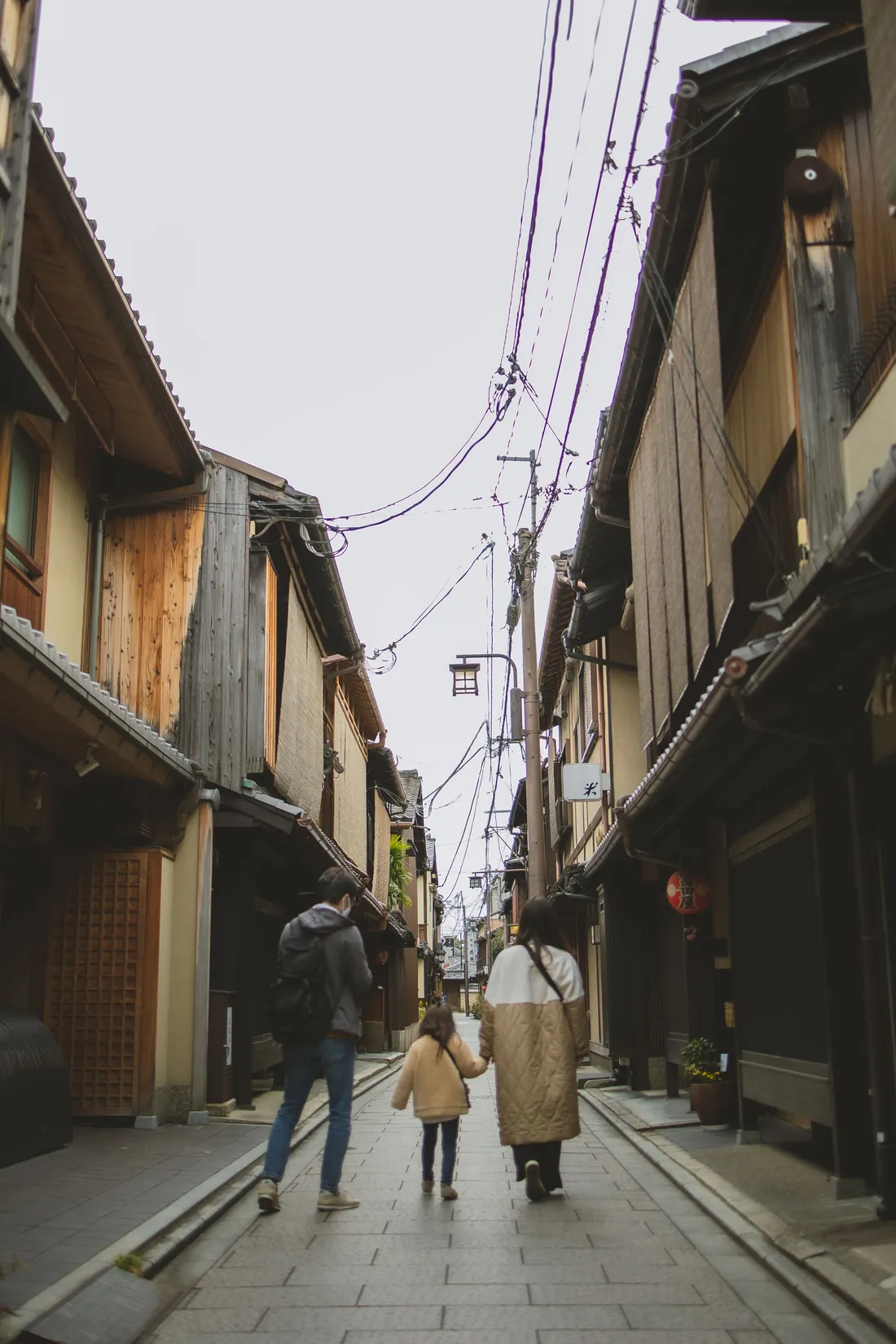
Japan is a wonderful family destination. Trains run frequently, convenience stores solve small emergencies, and the things children recognize from home suddenly appear at full scale around them. The part that surprises families is not whether there is enough to do. It is how quickly a good trip becomes exhausting when every famous city, temple, and theme park makes the list.
The answer is a restrained route. Pick fewer bases. Plan one part of a city at a time. Check the room setup before you book it. Send the large suitcases ahead. Leave enough space for the unplanned arcade, snack shop, or train platform that becomes your child's favorite part of Japan.
Start with two or three bases
For a first family trip, Tokyo and Kyoto give you plenty. Add Osaka if your family wants a livelier food city, a major theme park day, or an easier departure from Kansai International Airport. With more time, add one quieter stop such as Kanazawa, Takayama, or a ryokan stay in an onsen town.
Ten days is enough for two main bases. Two weeks gives you room for a third without turning every other morning into a checkout. What we would not do is collect cities simply because the bullet train makes them look close. Four hotel changes still mean four rounds of packing, navigating a station, finding the new hotel, and waiting for the room.
One honest note about Kyoto: it is beautiful, and it is also crowded and expensive. Go if Kyoto has always been the dream. If what you actually want is samurai history, geisha districts, and wearing kimono, there are other places that deliver all of it with smaller crowds and lower prices. Kanazawa has preserved samurai and geisha districts. Takayama has the old merchant streets. Both are calmer days for a family, and both cost less.
A comfortable first route might look like this:
- Four or five nights in Tokyo
- Three or four nights in Kyoto
- Two nights in Osaka, or three nights in one quieter region
- A final night near the airport only when the departure time makes it useful
Our 12-day Japan planning example for a family with two boys takes a different route through Tokyo, Takayama, and Kanazawa. It shows how much the right route changes when you plan around the children's actual interests and stamina.
Choose the season with the whole family in mind
Spring and fall are popular for good reason. The temperatures are usually easier for long days outside, but the best-known blossom and foliage weeks bring crowds and higher hotel prices.
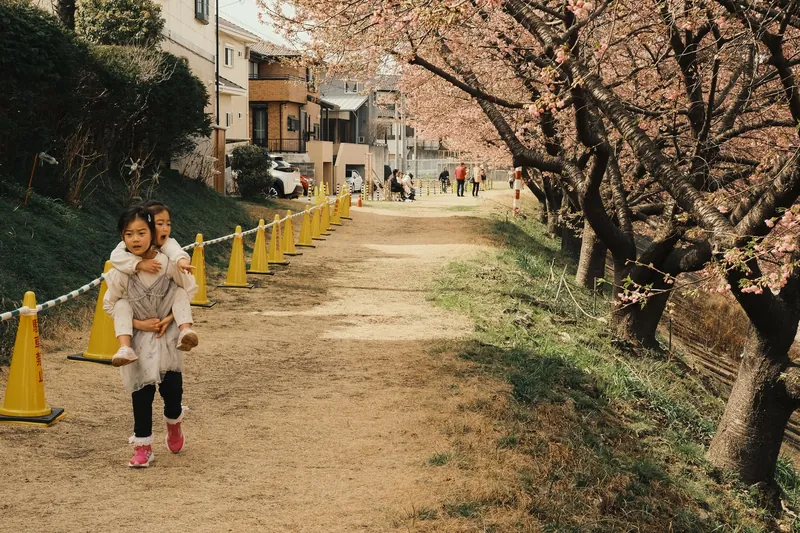
Summer can work, especially when school calendars leave no alternative. It is also hot and humid in much of the country. Build those days around early starts, indoor afternoons, and a hotel close enough for a real break. Mid-August includes Obon, a major domestic travel period. Golden Week, from late April into early May, and the New Year period also bring crowded trains, attractions, and hotels. If you travel then, reserve the important pieces early and expect less flexibility.
Winter is a good fit for families who like snow, hot springs, illuminations, and fewer warm-weather crowds. It is not one weather forecast for the whole country. Tokyo may be cold and dry while the Japanese Alps are deep in snow. Plan clothing and transportation around the exact route.
Plan days by neighborhood, not by checklist
Tokyo is the clearest example. Crossing the city for one attraction, then crossing back for dinner, can turn a good day into two hours of platforms and station corridors. Pick one area and stay there.
In Tokyo, these pairings keep the day compact:
- Asakusa and Ueno for a temple, market streets, a park, and one museum or zoo
- Odaiba for spacious walkways, indoor attractions, shopping, and bay views
- Akihabara or Ikebukuro for anime shops, arcades, and character stores
- Shibuya and Harajuku for the crossing, shopping, snacks, and Meiji Jingu if everyone still has energy
Kyoto needs the same discipline. Choose one important temple or shrine, then add something tactile or playful nearby. A craft activity, garden, short food stop, or relaxed neighborhood walk usually lands better than a second major temple. Start early when a famous site matters to you. Stop before the children are finished with Kyoto altogether.
One strong family day is more valuable than four attractions everyone remembers as a blur.
Leave one part of the day open
Jet lag may have everyone awake before sunrise for the first few mornings. Children who looked energetic at breakfast may fade after lunch. Rain can change a park day. A character store may hold their attention for an hour longer than expected.
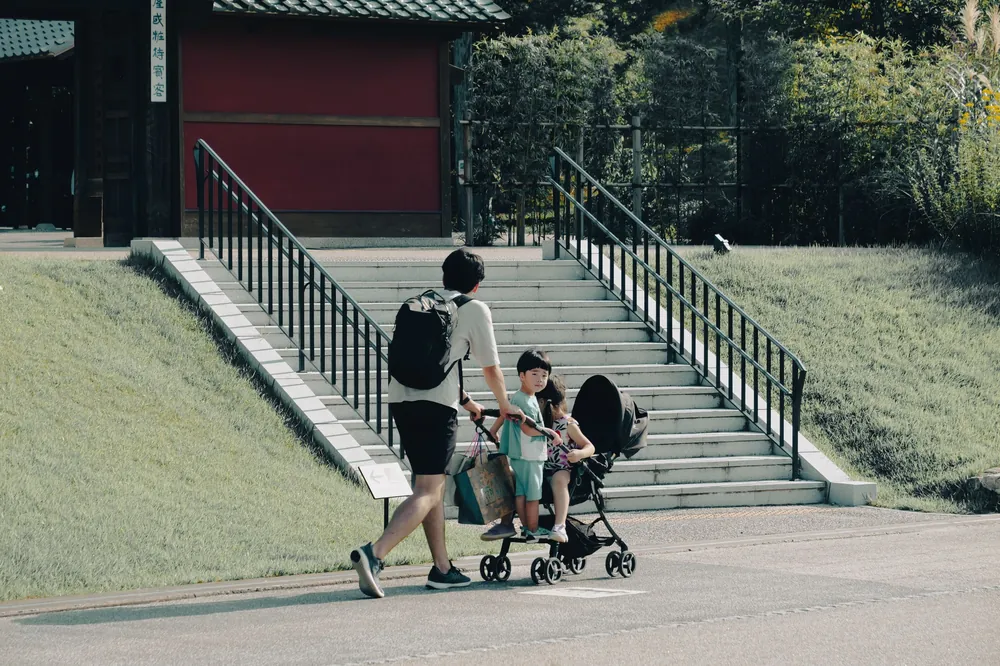
Plan one anchor for the morning and one for the afternoon. Treat the second as movable. Keep a short list of indoor options near each day's neighborhood, but do not turn the backup list into more obligations.
On a trip longer than a week, add a half day or full day with nothing reserved. Laundry, souvenir shopping, a second visit to a favorite restaurant, or a slow hotel morning is not wasted vacation time. It is what keeps the next three days enjoyable.
Use trains, but plan for the stations
Japan's rail system is one of the reasons a family trip can be so comfortable. The train itself is rarely the hard part. The work happens before it: finding the correct entrance, walking through a large station, reaching the right platform, and keeping the group together during transfers.
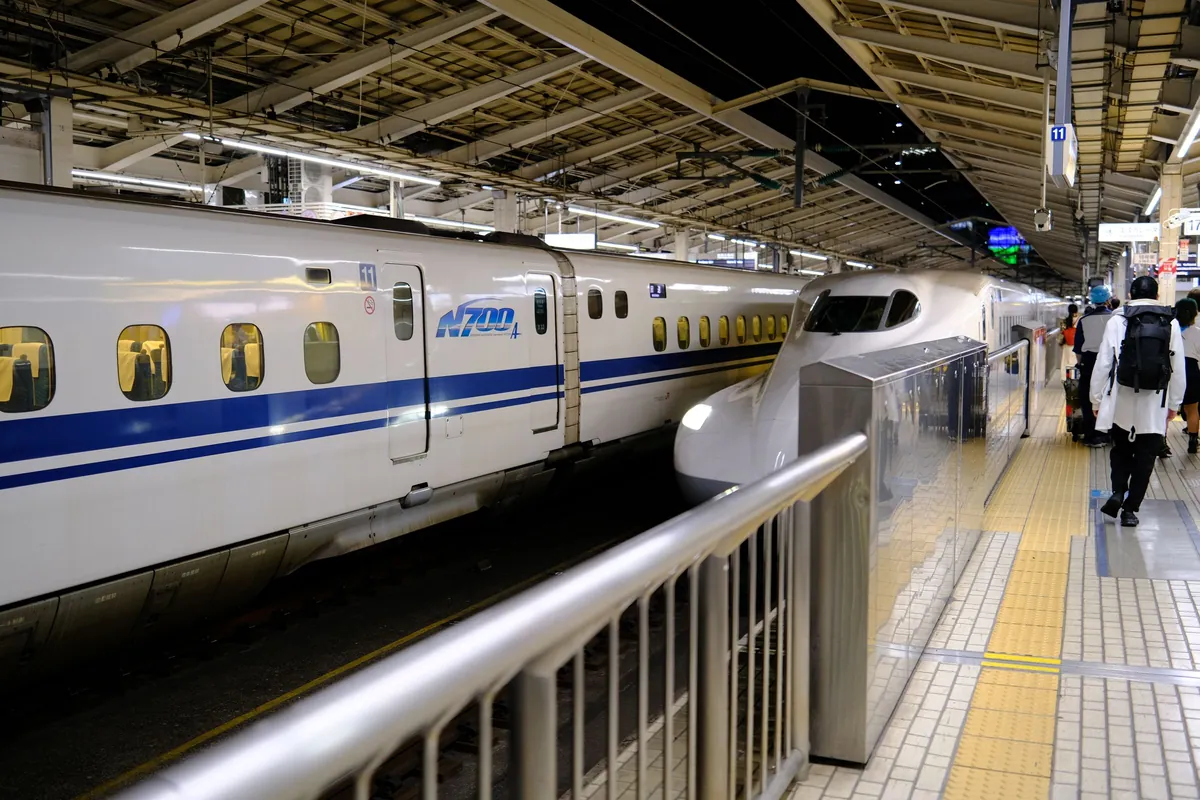
Give every transfer more time than the route app suggests. The fastest path may use stairs. The elevator may be at the opposite end of the platform. A five-minute connection that works for a commuter may be a poor choice for two adults, two children, a stroller, and bags.
An IC card makes local trains and buses easier because you tap in and out instead of buying a ticket for every ride. Children ages 6 through 11 can use a child IC card, which charges the reduced fare automatically. JR East's Welcome Suica has a child version sold at the Welcome Suica machines at Narita, Haneda, and major Tokyo-area stations. You enter the child's date of birth and show the child's ID, so bring their passport. A parent can buy it, but the child's ID is still required. The card runs for 28 days from first use, carries no deposit, and does not refund the remaining balance, so load it in smaller amounts near the end of the trip.
JR Central publishes the fare categories by age. Children ages 6 through 11 pay half the adult basic fare and half the limited express, express, or reserved-seat charge. Ages 1 through 5 are infants and ages under 1 are babies, and both normally ride free. The age lines follow elementary school, so a 6-year-old who has not started school is still counted as an infant, and a 12-year-old still in elementary school is still charged as a child.
Free does not stay free in three cases. An infant pays a child fare when they take their own reserved seat, a Green Car seat, or a bed. Only two infants ride free per paying passenger, so a third one pays. An unaccompanied child pays. Two adults with three small children is the common case where families are surprised at the counter.
Reserve seats together on long rides. It costs more than asking a small child to share a seat, but it also gives the family a defined place for the entire trip. On popular routes and domestic holiday weeks, book early enough that four seats together are still available.
Avoid rush hour when you can
Major-city trains become extremely crowded during weekday commuting hours. A stroller, tired child, or pile of shopping bags makes that harder for your family and for everyone around you.
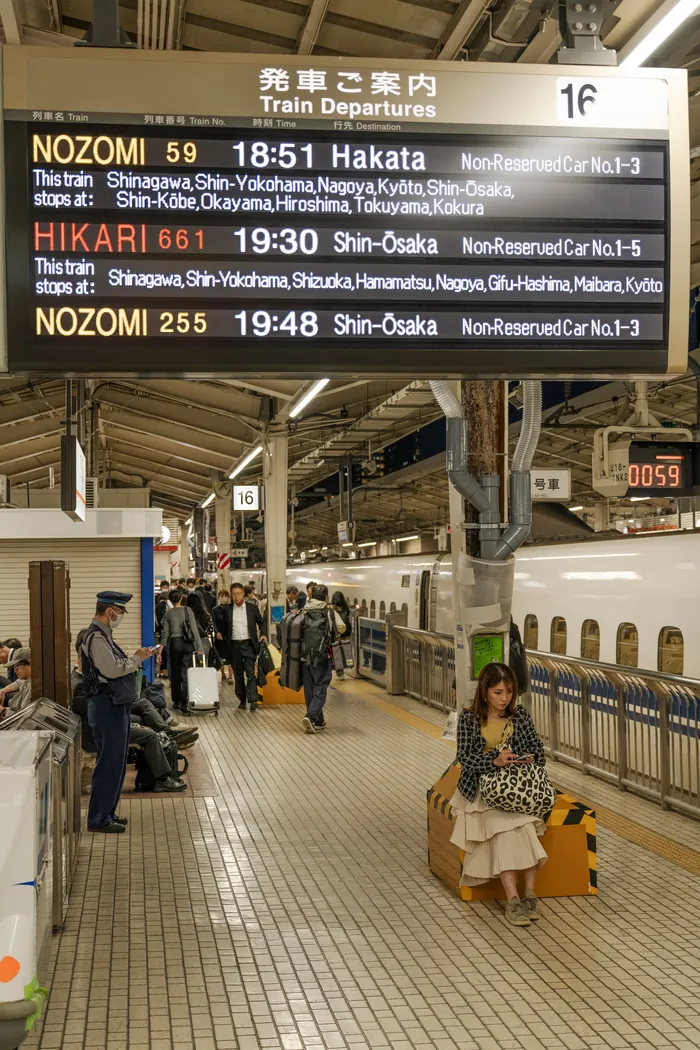
There is rarely a reason for a vacation day to begin with an 8 a.m. transfer through central Tokyo. Eat breakfast near the hotel, walk to the first stop, or leave after the peak. The same rule helps in the early evening. If everyone is fading, have dinner near where you already are instead of joining the commuter flow for a restaurant across town.
Most large urban stations have elevators, and many trains have spaces that work for strollers. That does not mean every historic station or neighborhood route will be step-free. A compact stroller and a baby carrier give parents more options. Japan's official family guidance specifically recommends switching between the two based on the day.
Send the large suitcases ahead
Luggage forwarding is one of the best comfort upgrades in Japan. Major hotels can usually help send bags to the next hotel or to the airport. Airports and designated service counters also offer delivery. Ask how many days the transfer will take, confirm that the next lodging accepts deliveries, and keep one overnight bag with the family.
This is especially useful on a Tokyo to Kyoto trip with a one-night ryokan stay in between. Send the large bags from Tokyo to Kyoto. Take a small bag to the ryokan. You get the traditional stay without lifting suitcases onto local buses or fitting them into a small room.
Do not assume every vacation rental or small inn can receive and hold forwarded luggage. Confirm first. Coin lockers help with day bags, but popular stations can fill up and large lockers are limited.
Treat taxis as a useful reset button
Trains will handle most of the trip. A taxi can still save the day when a child is done walking, it is raining, or the hotel is technically close to a station but awkward with bags.
For a family of four, the cost may be reasonable compared with four fares plus another difficult transfer. Use taxis for short, strategic rides. They are not the default for crossing Tokyo in traffic.
Book the room for the family you actually have
Japanese hotel rooms can be smaller than American families expect. The bed count, room size, and maximum occupancy matter more than the hotel's star rating.
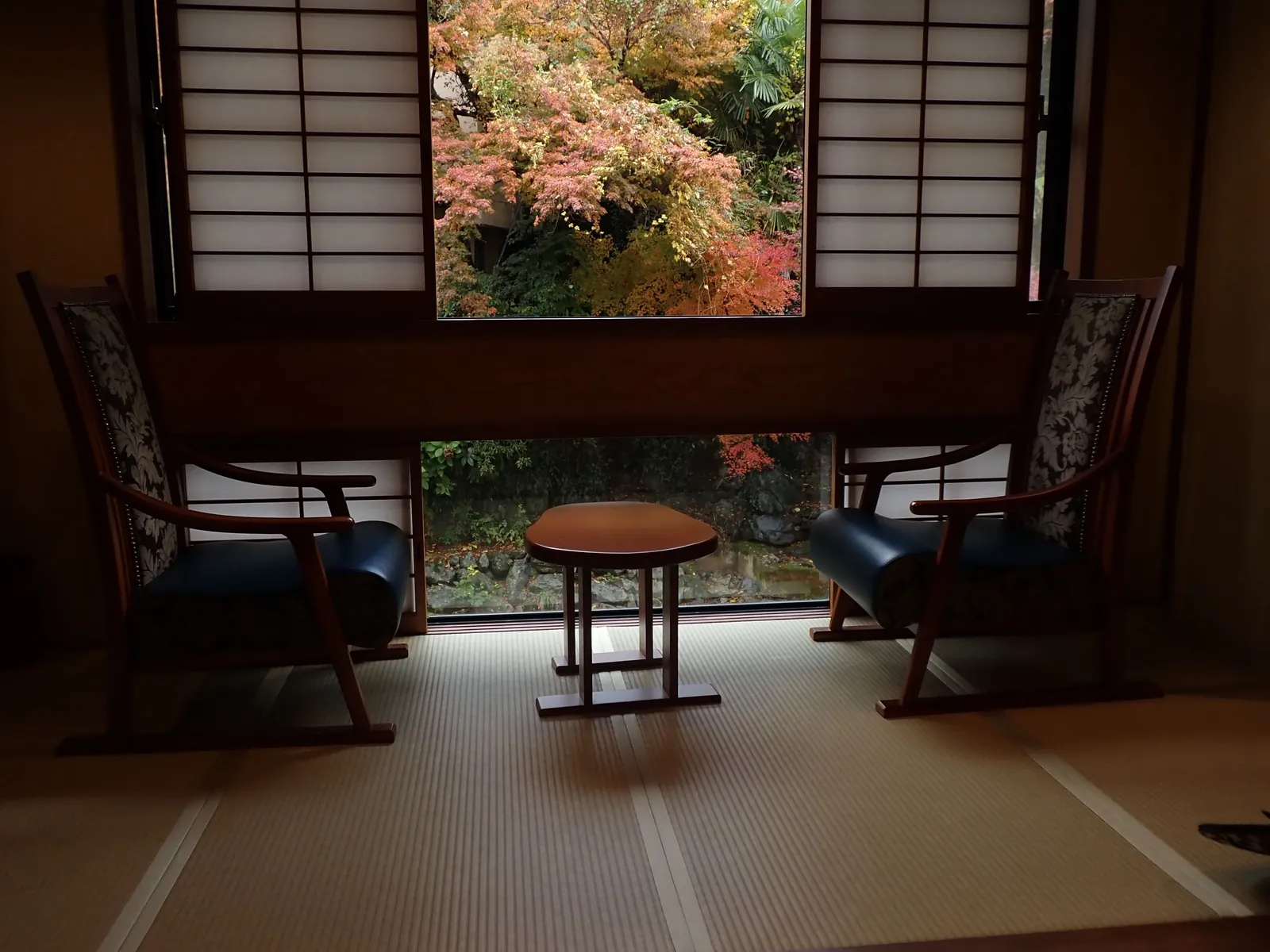
Before booking, confirm all of this in writing:
- Whether the room legally allows the full family to stay
- Whether two advertised beds are twins, doubles, or a bed plus a sofa bed
- Whether an extra bed or crib can fit in the room
- Whether connecting rooms are guaranteed or only requested
- Whether breakfast is included for the children
- Whether the hotel has laundry or a nearby laundromat
Two small rooms can be much more comfortable than one upgraded room where four people and four suitcases cover every open surface. Apartment-style hotels are also useful for longer stays because they may offer more floor space, a kitchenette, and in-room laundry.
Choose location over a dramatic view. A quiet room within an easy walk of the station gives a family more comfort every day than a skyline room that adds two transfers to every outing.
Ask more questions before booking a ryokan
A ryokan can be one of the family's favorite nights. It is also a different hotel experience. Bedding may be futons placed on tatami after dinner. Shoes come off at the entrance. Meals may be served at a fixed time. The bath may be communal, separated by gender, and governed by rules that are unfamiliar to first-time visitors.
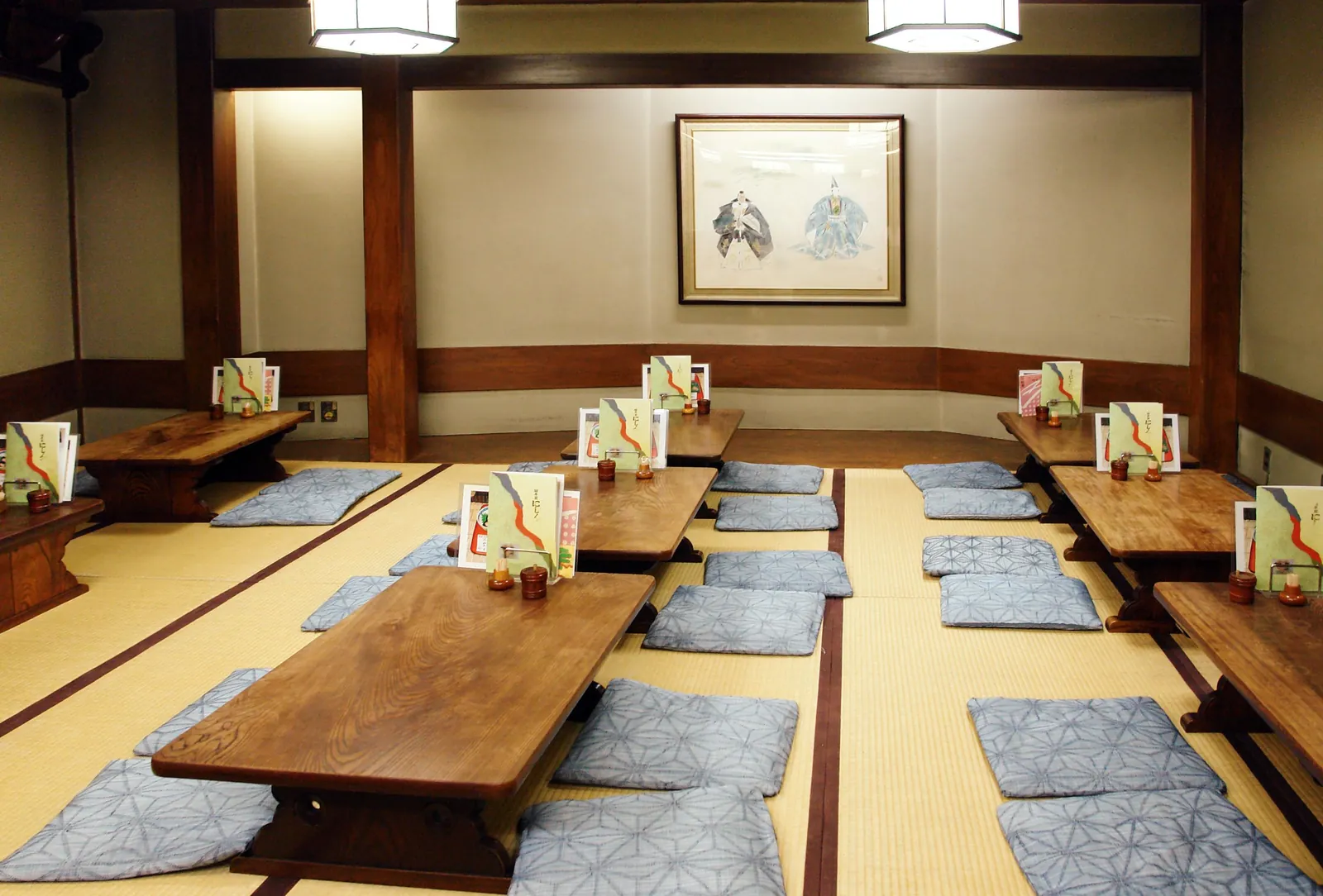
Ask whether the inn accepts children of your children's ages, what they will sleep on, and what dinner is served to them. A child meal may be a smaller traditional meal, not a plate of familiar foods. If food allergies or very selective eating are part of the picture, discuss that before booking.
Families who want to bathe together should look for a reservable private bath or a room with its own bath. Confirm the inn's current tattoo policy if it applies to anyone in the group. Do not assume Western-style beds, cribs, highchairs, or private bathing are available simply because the property appears on an English-language booking site.
Make food part of the fun, not another test
Children do not need to arrive loving sushi. Japan has plenty of low-pressure meals where each person can try something without committing to a long formal dinner.
Good starting points include:
- Conveyor-belt sushi, where everyone chooses their own plates
- Udon, soba, and ramen shops for familiar noodles with different broths and toppings
- Japanese curry, which is usually mild and easy to order
- Yakitori for grilled chicken and vegetables in small portions
- Tempura, tonkatsu, gyoza, and karaage for recognizable textures
- Food halls in department-store basements for picnic supplies and a wide choice of prepared dishes
Japan also has casual family restaurants, commonly shortened to fami-resu. They are designed for quick, easy meals and often have children's options. A food court or family restaurant is not a planning failure. Sometimes it is exactly the comfortable dinner a tired family needs.
Eat near where you already are. A famous restaurant that requires a 45-minute trip each way is rarely worth the cost to the rest of the day. Save a few meals for reservations, then leave room for the tiny noodle shop, bakery, or department-store counter that looks good in the moment.
Many restaurants are small. A party of four may be difficult to seat as a walk-in, especially during the dinner rush. Reserve meals that matter to you. For everything else, arrive early or choose a larger casual restaurant.
Tabelog is the restaurant site Japanese diners actually use, and it now runs in English with online booking at tens of thousands of restaurants. Search it the same way you plan the rest of the day: start with the neighborhood you will already be in, then narrow by cuisine or the one dish you want. Do not start with a famous dish and let it drag the family across the city.
The English booking flow is worth knowing about for a group of four or more, because it removes the phone call that stops most visitors from reserving at all. Two things to expect: online reservations are often limited to set menus, and you will need to register a credit card to hold the table.
Prepare carefully for food allergies
Do not rely on a server recognizing an English allergy name. Bring a Japanese allergy card that names the exact ingredient and explains whether cross-contact is dangerous. Show it before ordering.
Broths, sauces, and seasonings may contain fish, shellfish, soy, wheat, sesame, or other ingredients that are not obvious from the finished dish. A restaurant may understand the allergy and still be unable to make a safe substitution in its small kitchen. Treat a polite refusal as useful information, not poor service.
Keep a reliable backup snack with you. If the allergy is severe, choose accommodations with a kitchenette for part of the trip and ask a travel advisor or hotel concierge to help confirm important meals in advance.
Use convenience stores and department stores well
Convenience stores are useful for water, simple breakfast items, diapers, basic toiletries, an ATM, and the emergency snack that prevents a full family collapse. They should support the trip, not replace every meal.
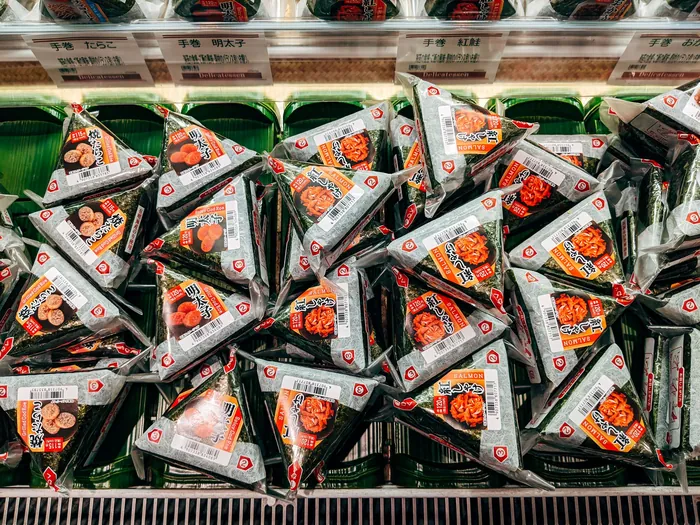
Department stores and large malls are the better find. Their food halls and food courts are nothing like an American mall food court: full counters of prepared dishes, bento, sushi, tempura, grilled meat, and bakery items, often with seating and always with clean restrooms nearby. It is one of the easiest family dinners in Japan because everyone picks something different and nobody is trapped in a long restaurant meal.
Go in the last hour before closing, or the final 30 minutes, and much of the prepared food and bento is discounted. Look for the stickers going on the packages. Dinner for four can cost a fraction of the same food earlier in the day, and it travels well back to the hotel room.
Department stores and large malls are another family resource. They often have clean restrooms, elevators, food halls, and nursing rooms. Japan National Tourism Organization notes that many nursing rooms include changing areas, hot water for bottles, microwaves for baby food, and private feeding spaces. Major attractions and shopping centers may also rent strollers.
Families traveling with babies should still bring enough of any specific formula, bottle system, medication, or diaper style that cannot be easily substituted. Local products may be excellent and still differ from what your child accepts.
Mix the famous sights with child-owned choices
Every family member should get something that feels like theirs. A parent may care about a garden, kitchen shop, or standout dinner. One child may care about Pokémon. Another may want trains, animals, or a particular anime series.
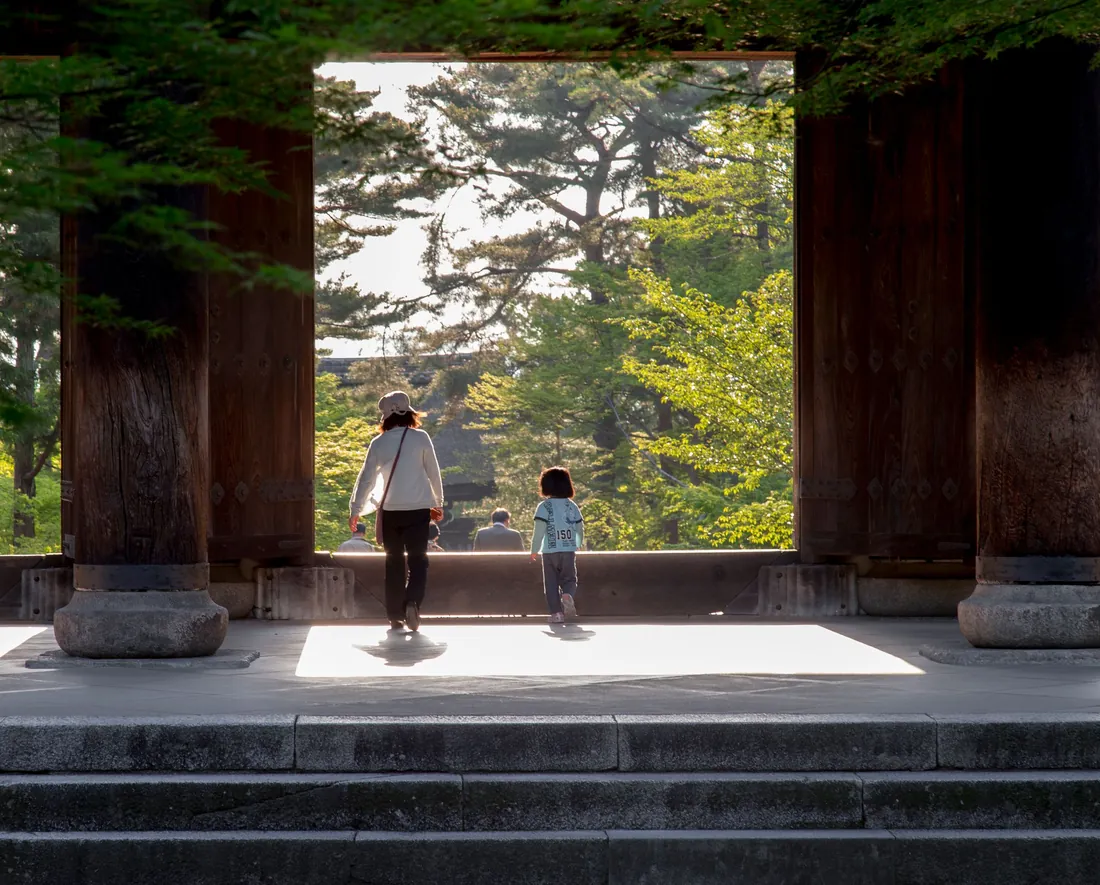
Build each day around one shared anchor, then give somebody a smaller personal win. In practice, that might mean:
- A temple in the morning and an arcade after lunch
- A garden followed by a character store
- A food market with one child choosing the snack for everyone
- A science museum before an adult-focused dinner
- A short traditional craft activity instead of another hour of sightseeing
The child-owned choice is not a bribe. It gives the day a rhythm everyone understands.
Theme parks, digital-art museums, popular character cafés, and limited-entry attractions may require timed tickets or early reservations. Choose the few that matter most. Do not make the entire trip dependent on scarce bookings.
Teach a few etiquette rules before arrival
Children are welcome in Japan, but public spaces often run more quietly than families from the United States are used to. A few simple expectations help:
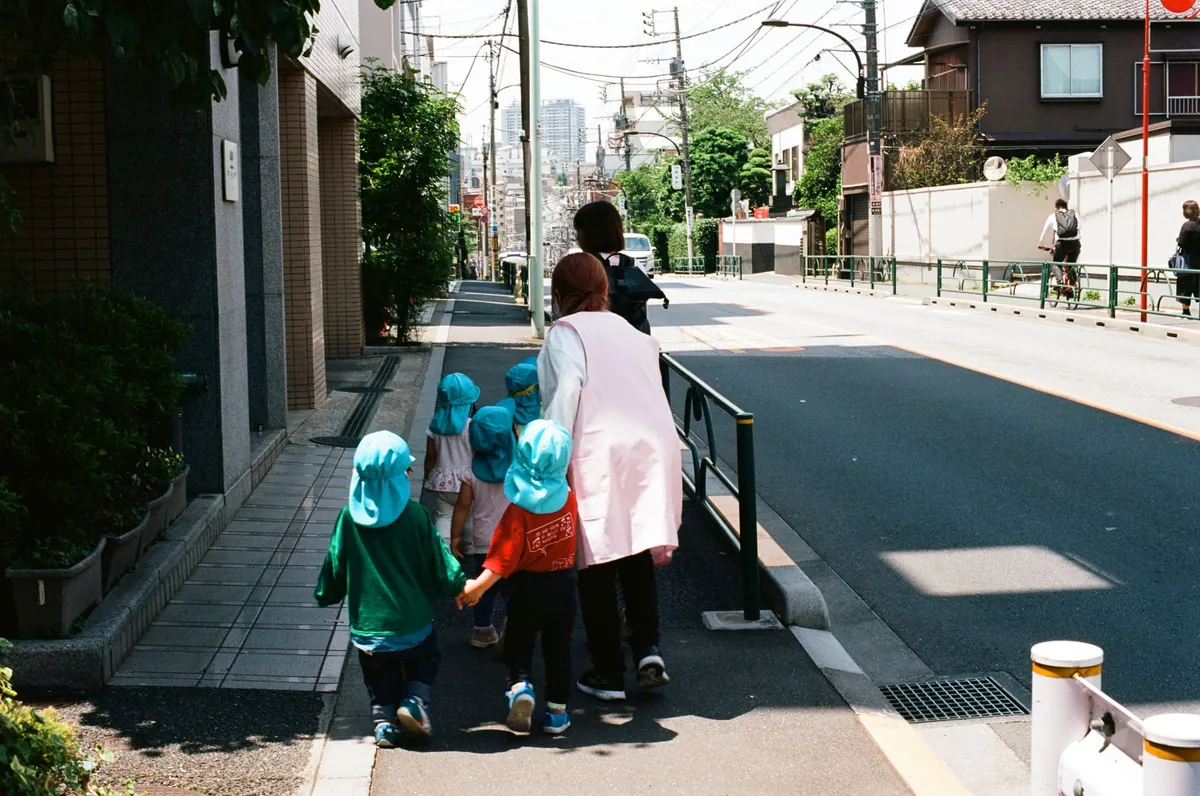
- Use indoor voices on trains and keep phone audio off
- Let passengers exit before boarding
- Keep bags and strollers from blocking doors and aisles
- Follow the local line instead of forming a new one
- Remove shoes when the lodging, restaurant, or home indicates it
- Carry a small bag for trash because public bins can be limited
- Ask before photographing people closely
Nobody expects a child to behave like an adult. The goal is simply to notice how the space works and make it easy for other people to share it.
Pack lighter than you think
Japan involves walking, even when the trains are excellent. Every bag becomes part of that walk.
Pack clothing for about a week and do laundry once. Bring comfortable shoes that are easy to remove. Keep a small day bag with water, tissues, a change of clothes for younger children, a quiet train activity, and any medication you cannot replace easily.
Leave room for souvenirs. The extra space will not stay empty for long.
Check medication rules before the flight
Japan regulates some common prescription and over-the-counter medicines differently from the United States. Some products require advance permission, some have quantity limits, and some controlled ingredients cannot be brought in under ordinary personal-use rules.
Check every medication by its active ingredient with Japan's Ministry of Health, Labour and Welfare well before departure. Keep medicine in its original packaging and carry a copy of the prescription or a physician's letter when appropriate. This is one part of the trip where a forum answer is not enough.
We recommend travel insurance for a family trip. It does not need to be an expensive policy. What matters is the basic medical coverage, which is the part that can genuinely save you when something serious happens far from home. Worry less about the trip delay and cancellation reimbursement perks. Those rarely pay for themselves unless you travel more than about three times a year. For an ambulance or fire emergency in Japan, call 119. Japan National Tourism Organization also maintains a visitor hotline for help with illness, accidents, and natural disasters. Save the current number in every adult's phone before the trip.
The Japan trip children remember is rarely the busiest one
Children may remember the bullet train bento more clearly than the landmark at the end of the ride. They may talk about the hotel pajamas, capsule-toy machine, perfect bowl of noodles, or an unexpected animal encounter.
That is not a reason to skip the history and culture that brought the adults to Japan. It is a reason to leave enough room for the trip to belong to the children too.
The best family itinerary balances both. It protects sleep, cuts unnecessary transfers, and makes the difficult logistics disappear. Everyone gets the version of Japan they came to see, and nobody needs a vacation from the vacation when they get home.
FAQ
Is Japan a good destination for children?
Yes. Major cities have excellent public transportation, clean family facilities, casual restaurants, and an enormous range of attractions. The main challenge is not a lack of child-friendly options. It is pacing. Fewer hotel changes and more compact days make a large difference.
How many days does a family need in Japan?
Ten days works well for two main bases, usually Tokyo and Kyoto. With 12 to 14 days, you can add Osaka or one quieter region without rushing every stop. A shorter trip can still be worthwhile, but it should cover less ground.
Do children need their own train tickets in Japan?
Children ages 6 through 11 generally pay half the adult JR fare. Younger children often travel without a fare when accompanied, but they need a child ticket in certain cases, including when they use their own reserved seat. Rules can vary by operator and service, so confirm the current policy when booking.
Japan with kids is not hard, but it rewards thoughtful planning. Book a free call and tell us your dates, your children's ages, and what everyone loves. We will help you shape a trip that feels comfortable from the first station to the flight home.
Planning Japan for your group or family?
Tell us who's coming and roughly when. On a free 30-minute call we talk through the route, the pace, and where to stay, and your first itinerary draft arrives within 5 business days. Founding clients: no planning fee for our first 10 clients, in exchange for honest feedback after your trip. Our guarantee: if the first itinerary draft doesn't fit your family, two rounds of revisions are included to get it right. If it still isn't right, you can walk away at no cost.
Book a free planning callNot ready for a call? Get the free guide.
Get our free northern Thailand luxury guide: our favorite stays up north, the call-outs worth booking, and how we'd pace a comfortable trip. Plus our newsletter every couple weeks: the stays and activities we'd book for you.
More on Japan
- Japan with Two Boys (Ages 8 & 10) — Tokyo to KanazawaPlanning Decision